


Fieldstone Foundations in Massachusetts Homes: What Buyers Should Know

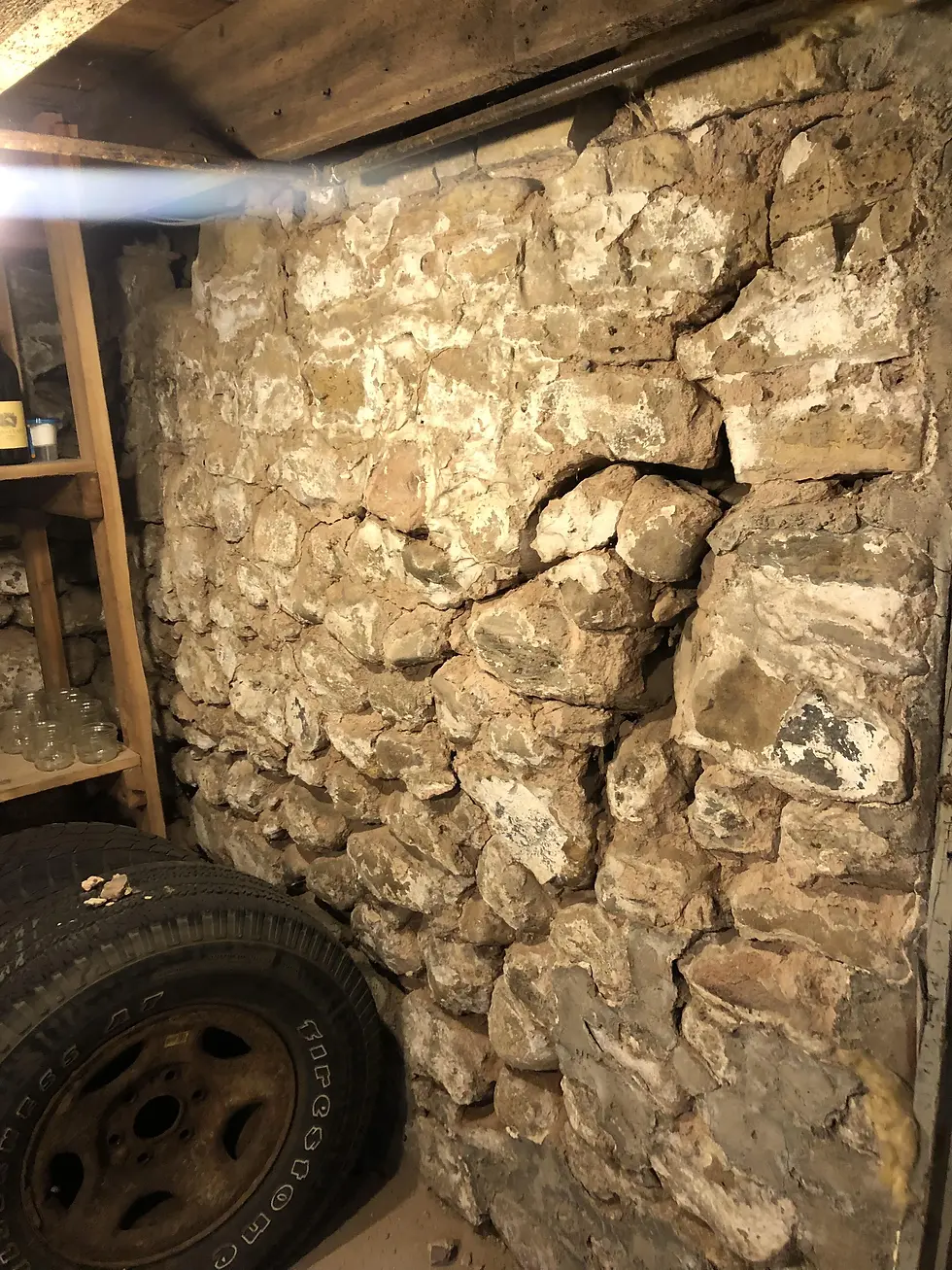
Across Massachusetts, an old fieldstone foundation can be the part of a house that makes buyers most uneasy. The walls are irregular. Mortar may be exposed or patched. The basement may feel cool and damp. To someone accustomed to poured concrete, the whole assembly can look improvised even when it has been supporting the house for 120 years.
That visual difference is exactly why fieldstone foundations need judgment rather than a reflexive verdict. Some conditions are ordinary characteristics of traditional construction. Others point to movement, water management problems, failing mortar, damaged framing, or repairs that deserve further investigation. The inspection has to separate those categories.
Fieldstone Is Old Construction, Not Automatically Bad Construction
Fieldstone foundations are part of the normal building stock across Massachusetts. They supported houses long before modern poured concrete became standard, and many remain serviceable after well over a century. Their rough appearance can be unsettling to a buyer who has only seen newer basements, but appearance alone does not establish structural failure.
The useful question is not whether a foundation is old. It is whether the wall is still performing its job: carrying the structure, retaining the surrounding soil, managing moisture, and providing a stable transition between the earth and the wood-framed house above.
How a Fieldstone Foundation Works
Traditional fieldstone walls were assembled from irregular stones bedded and packed in mortar. The wall is thick, heavy, and forgiving, but it is not a modern waterproof assembly. The stones provide most of the mass and compressive strength; the mortar fills joints, distributes contact between irregular units, and helps keep the wall together.
That construction behaves differently from poured concrete. Minor surface irregularity, localized mortar erosion, old parging, mineral deposits, and some seasonal dampness can be common. Those conditions still deserve evaluation, but they should not be treated as proof that the foundation is failing.
What Matters During a Home Inspection
A good inspection looks beyond the rough surface. I pay attention to the wall as an assembly and to the structure resting on it. Important observations include displacement or bulging, open joints and loose stone, cracks that continue into the framing or finishes above, chronic water entry, deteriorated sill or joist ends, amateur structural alterations, and evidence that repairs are moving or failing.
Context matters. A wall that is irregular because it was built from irregular stone is different from a wall that has shifted. A damp-looking basement after several days of heavy rain is different from active seepage during ordinary weather. Fresh mortar is not necessarily suspicious, but widespread hard patching can conceal the condition of older joints and may be incompatible with the original masonry.
Moisture Is Usually the First Management Question
Older stone foundations were generally not built with the exterior waterproofing, footing drains, capillary breaks, and under-slab vapor control expected in modern construction. Moisture can move through joints, rise from the ground, enter at penetrations, or condense on cool basement surfaces during humid weather.
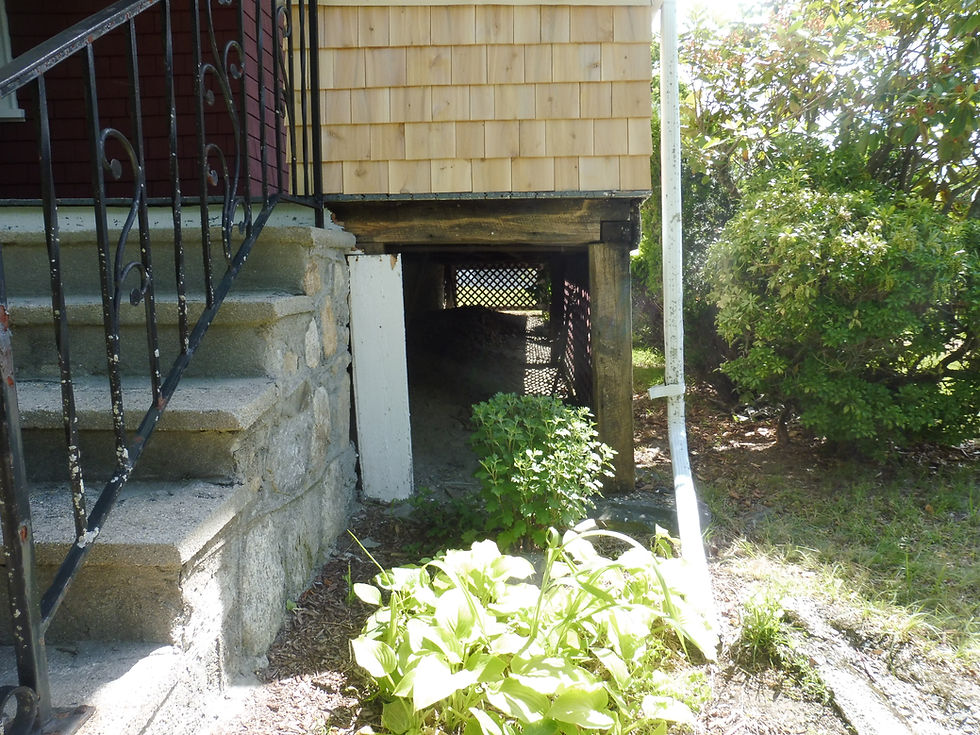
That does not mean every old basement must be made perfectly dry. It does mean water should be managed deliberately. Roof drainage, gutters, downspout discharge, grading, surface runoff, basement ventilation or dehumidification, and localized masonry repair often matter more than a cosmetic coating applied to the inside wall.
Interior paint or waterproofing products can hide staining for a time without correcting the water source. Before finishing, insulating, or tightly covering a fieldstone wall, the moisture behavior of the basement should be understood. A poorly planned enclosure can conceal deterioration, trap moisture, or expose the sill and floor framing to conditions that were previously visible.
Mortar Repair Is Not a Generic Cement Job
Repointing means removing unsound mortar from the joints and replacing it with a compatible new mortar. Compatibility matters more than brute strength. Historic limestone-based mortar was commonly softer and more vapor-permeable than modern high-Portland-cement mixes. Mortar should generally function as the sacrificial part of the assembly, allowing the joint to weather before the stone does.
A repair mortar that is substantially harder or less permeable than the surrounding historic material can redirect stress and moisture into the stone or adjacent masonry. For meaningful repointing, use a mason experienced with historic stone foundations who will evaluate the existing mortar, remove loose material carefully, and select a compatible mix rather than simply coating the wall with a hard cement-rich parge.
When Further Investigation Is Warranted
Further investigation is appropriate when the inspection identifies material movement, bulging, loose or displaced stones, significant loss of support, persistent water entry, damaged framing at the top of the wall, or repairs whose purpose and performance cannot be determined. The right specialist depends on the question.
A historic-masonry contractor can address joint deterioration, compatible repointing, and localized rebuilding. A structural engineer should evaluate suspected movement, loss of bearing, or questions involving the relationship between the foundation and the framing above. A basement-waterproofing or drainage specialist may be appropriate when the unresolved issue is bulk water, site drainage, or a proposed drainage system. Complex conditions sometimes require coordinated input rather than one contractor selling one product.
What Buyers Should Ask About Fieldstone Foundations in Massachusetts
Ask whether the basement has a history of seepage, flooding, sump-pump operation, structural repair, repointing, or finished-wall removal. Request invoices, warranties, engineering documents, and photographs of concealed work when available. Consider the weather before and during the inspection, because a dry wall on one day does not establish year-round performance.
If the basement is finished or heavily insulated, understand how much of the foundation, sill, and lower framing was actually visible. Limited access is not evidence of a defect, but it is an important limit on what can be concluded.
The Bottom Line
A fieldstone foundation should be judged by its condition and performance, not rejected because of its age or appearance. Many are durable, repairable, and entirely consistent with responsible ownership of an older Massachusetts home. The goal of the inspection is to separate ordinary historic construction from consequential movement, moisture, deterioration, or concealed uncertainty, then recommend the right level of action without turning every old basement into a catastrophe.
If you are buying an older home, the foundation deserves a careful, accessible inspection that considers the masonry, moisture, site drainage, sill, framing, and past repairs together. Inspections Plus evaluates those relationships and explains what is ordinary, what is consequential, and what remains unknown before you make the property decision.
For a broader overview of the buyer’s due-diligence sequence, read our Massachusetts home inspection process guide.


Comments