


Fall Home Maintenance in Massachusetts: What Actually Matters Before Winter

Updated: Mar 29
A comprehensive guide to Fall home maintenance:
Fall is the time to get ahead of winter in Massachusetts — not after the first freeze, not after the first snow, and definitely not after a pipe bursts or a heating problem shows up on a 12-degree morning.
A lot of fall maintenance advice online is generic. Some of it is fine. Some of it is fluff. The real goal is simpler: protect the house from cold-weather damage, reduce avoidable service calls, and make sure the systems that matter most are ready before winter puts them to work.
In Massachusetts, that usually means paying attention to water, heat, air movement, drainage, and safety devices before conditions get worse.

1. Protect plumbing from freezing
Frozen pipes are one of the most preventable winter problems, and they can also be one of the most expensive.
Before winter:
disconnect garden hoses from exterior faucets
shut down and drain irrigation systems properly
drain seasonal exterior water lines where applicable
protect vulnerable plumbing in garages, crawl spaces, or unheated areas
confirm exterior faucets and related piping are in good condition
Even frost-free hose bibs can freeze and burst if hoses are left attached. That is a common mistake.
If you have any seasonal water-fed equipment outside — irrigation components, certain garage plumbing, fountains, or similar systems — this is the time to shut them down correctly, not halfway through December when it is already too late.
2. Service the heating system before you need it
Do not wait for the first real cold stretch to find out the boiler needs service or the furnace is not running properly.
Fall is the right time to:
schedule annual service for a boiler or furnace
replace dirty air filters
check thermostat operation
replace thermostat batteries if needed
confirm heat is reaching all intended areas of the house
make sure emergency shutoffs and access areas remain clean
A neglected heating system can mean more than discomfort. In some homes, especially vacant or lightly occupied ones, heating failure can quickly become a pipe-freezing problem too.

3. Clean and check exhaust systems
Good air movement matters in winter, especially where moisture and combustion are involved.
Fall is a good time to:
clean dryer vents
check that bathroom fans are operating properly
make sure kitchen exhaust is working
inspect exterior vent terminations for nests, blockage, or damage
clean HRV or ERV components where applicable
Blocked dryer vents are a fire risk. Poorly functioning bath fans contribute to interior moisture problems. Exterior vent caps and dampers also tend to collect nests, debris, and insect activity.
4. Get roof drainage under control
A surprising number of cold-weather moisture problems start with basic drainage neglect.
Before winter:
clean gutters after leaves have dropped
make sure downspouts are intact and flowing properly
direct roof runoff away from the foundation
check for loose or damaged gutter sections
look for signs of overflow, staining, or ice-dam history
A house does not need obvious flooding to have a drainage problem. Overflow near the foundation, recurring icing, or saturation at the perimeter can all contribute to bigger issues later.
5. Check attic ventilation and air leakage areas
Massachusetts winters expose weaknesses in attic performance fast. Frost, condensation, mold-like growth on sheathing, and heat loss often trace back to poor air sealing and bad ventilation habits.
In fall, it helps to:
check attic hatches and access panels for major leakage
look for blocked soffit vents
confirm bath fans are not dumping into the attic
watch for signs of prior frost or moisture staining
identify obvious insulation displacement or exposed bypasses
This is especially important in older homes, where attic air leakage is common and often poorly understood.
6. Seal obvious exterior gaps before winter
Cold air, pests, and moisture all take advantage of openings around the building exterior.
Walk the home and look at:
pipe penetrations
cable and electrical entries
hose bibb penetrations
door weatherstripping
window condition
visible trim or siding gaps that may worsen in winter
This is not about making the house airtight with a caulk gun and blind optimism. It is about addressing obvious gaps and deterioration before freeze-thaw cycles and weather exposure make them worse.
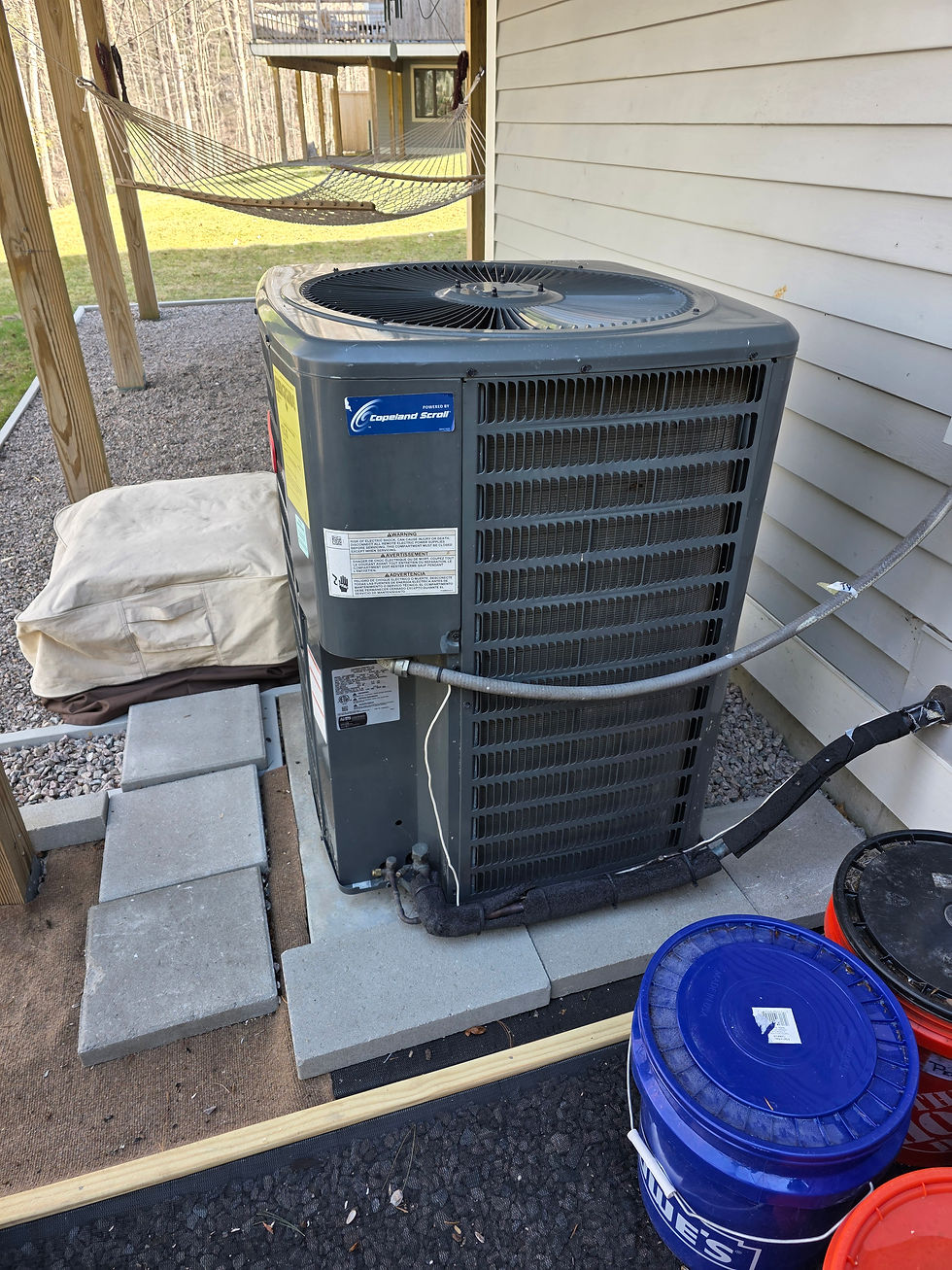
7. Understand what to do with AC units and heat pumps
This is an area where homeowners often do the wrong thing with confidence.
For standard central AC condensers:
a light top cover may help keep debris out
full covers are often unnecessary and can trap moisture
For heat pumps:
do not cover them for winter use
keep them clear and allow them to operate as designed
If exhaust from a high-efficiency heating system is discharging near exterior equipment, that should also be evaluated for possible moisture or corrosion-related impact.
8. Test smoke and carbon monoxide alarms
This is basic, but people skip it constantly.
Before winter:
test smoke alarms
test carbon monoxide alarms
replace batteries where needed
replace outdated units
confirm alarms are installed in appropriate locations
Heating season increases reliance on combustion equipment, fireplaces, and enclosed living conditions. This is exactly the wrong time to have neglected life-safety devices.
9. Prepare fireplaces and chimneys for use
If the fireplace or chimney is going to be used during the colder months, fall is the time to make sure it is ready.
That may include:
chimney cleaning where needed
evaluation of a wood-burning system before heavy seasonal use
checking visible venting and draft behavior
confirming gas fireplaces are operating properly
cleaning accumulated dust and debris from accessible areas
A fireplace that has not been used in a long time should not just be fired up on the first freezing night because it “always worked before.”
10. Do not ignore sump pumps and exterior drainage just because it is fall
A lot of people associate sump pumps with spring, but fall matters too.
Before winter:
test the sump pump
confirm the float moves properly
check that discharge piping is intact
make sure water is not discharging back toward the foundation
be aware of freeze risk at discharge locations
If a basement already has moisture exposure, winter freeze-ups or blocked discharge conditions can make things worse when water events happen.
The real point of fall maintenance
The point is not to complete a cute seasonal checklist and feel productive for 20 minutes.
The point is to reduce risk before winter loads the house with stress:
freezing temperatures
snow and ice
indoor humidity buildup
roof drainage problems
heating demand
ventilation issues
combustion safety concerns
Good fall maintenance is less about perfection and more about catching the obvious things before they become expensive things.
The bottom line
For Massachusetts homeowners, fall is one of the most important maintenance windows of the year. It is the time to prepare plumbing, heating, drainage, ventilation, and safety systems before winter puts real pressure on the house.
A lot of cold-weather problems are preventable. The houses that do best through winter are usually not the fanciest ones. They are the ones that were prepared properly.
If you are not sure what needs attention, a good inspection can help identify the maintenance items and seasonal vulnerabilities that deserve focus before winter arrives.
Not sure what your home needs before winter? Inspections Plus provides practical, consultation-driven inspections to help homeowners identify seasonal risks, maintenance priorities, and building-performance concerns before cold weather sets in.

Comments